Partner Organizations
Speakers
Participants

th International River Congress
Integrating River Governance: From Policy to Practice!
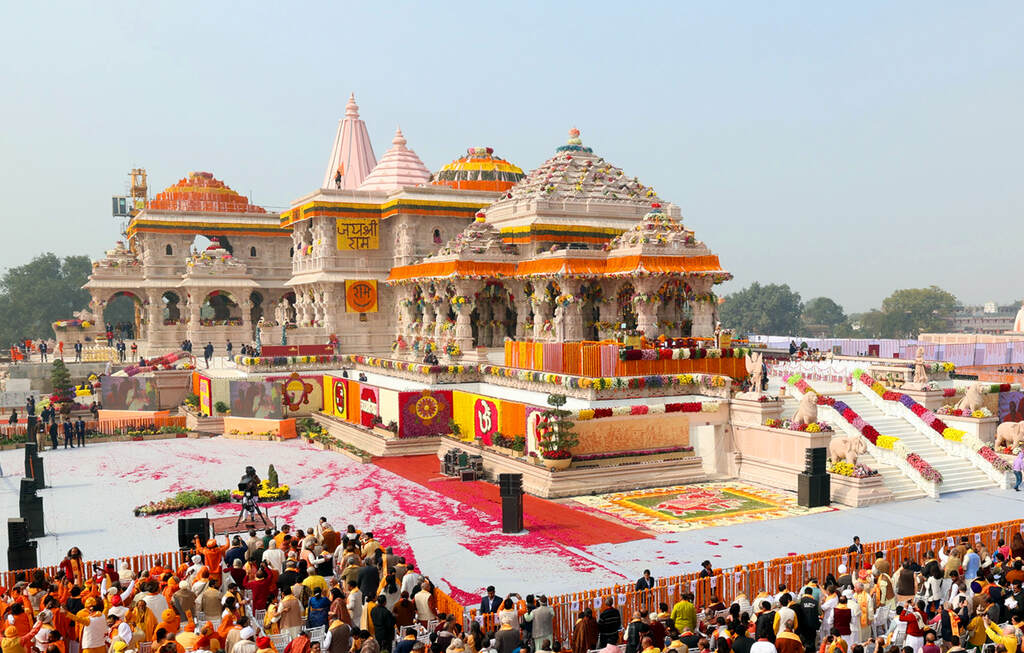
Rivers are central to India's ecological, economic, social and cultural life, yet they face growing threats from climate change, urbanisation, pollution, encroachments and unsustainable development. To promote integrated and sustainable river governance, the International Institute of River Affairs (IIRA) established the International River Congress (IRC) in 2021 as a global platform for policymakers, researchers, practitioners and communities. Over four editions across South Asia, IRC has strengthened regional collaboration and advanced dialogue on river restoration, climate resilience, water security and integrated river basin management. IRC–5 in 2026 is coming at Ayodhya, marking five years of sustained commitment to river-centric policy dialogue, scientific exchange and collaborative action.
Chapters
Each edition of the Congress anchors itself in a river city — building a growing network of chapters committed to local action and global exchange.
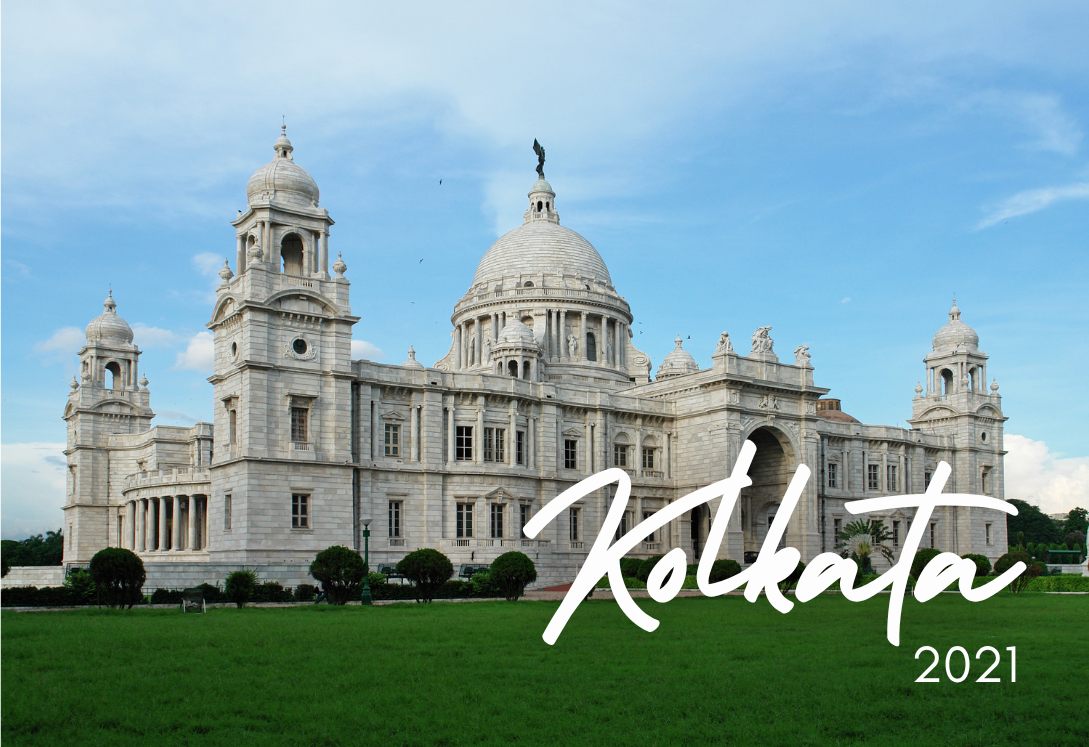 IRC1
IRC1
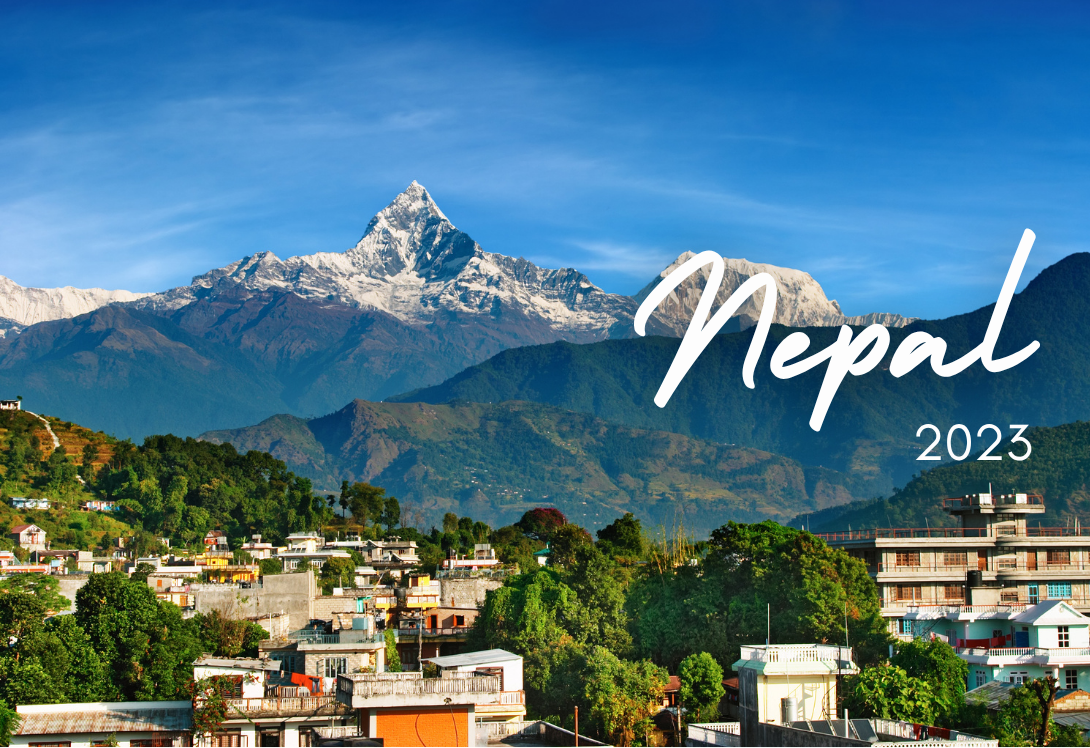 IRC2
IRC2
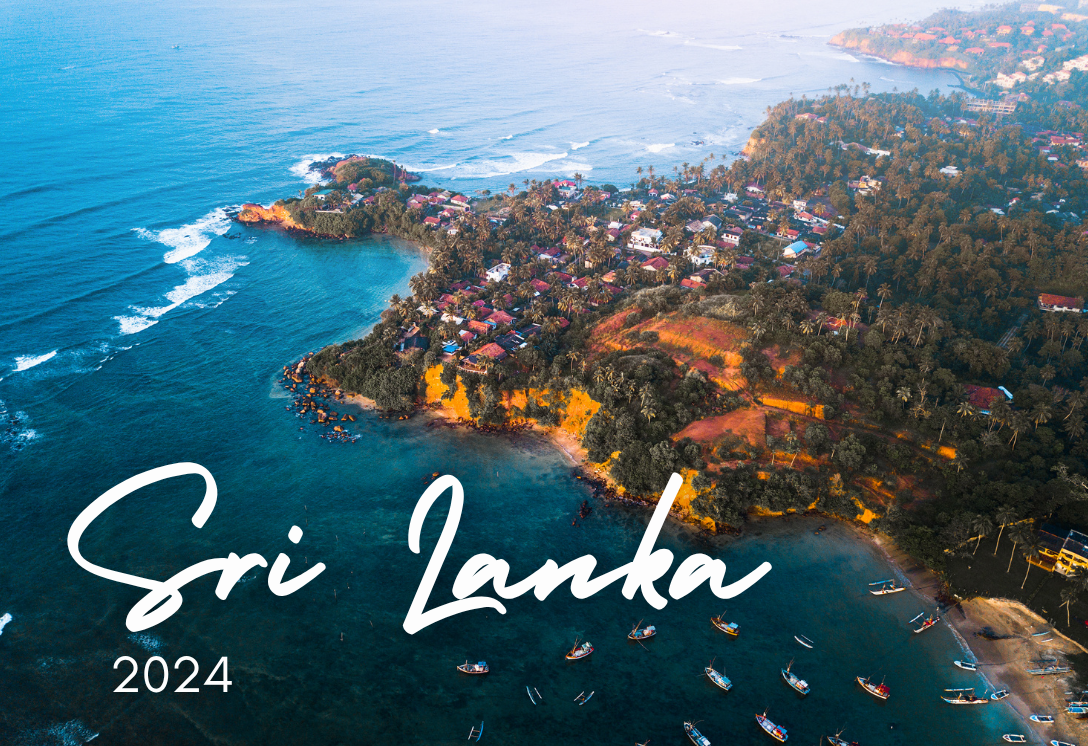 IRC3
IRC3
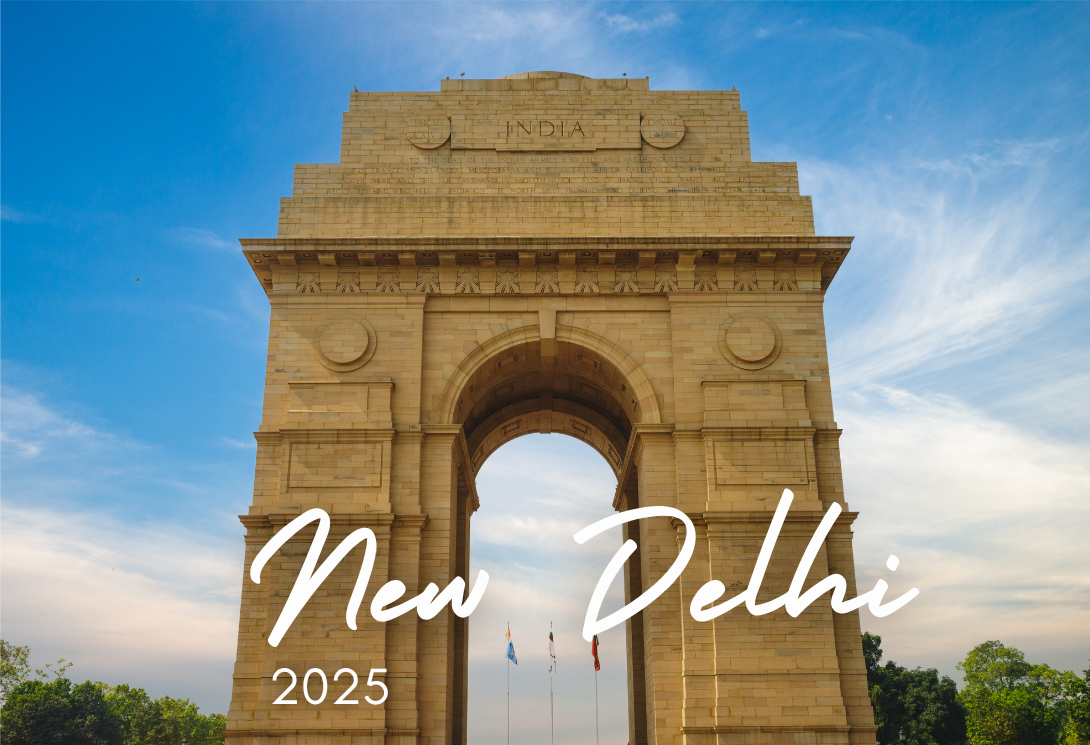 IRC4
IRC4
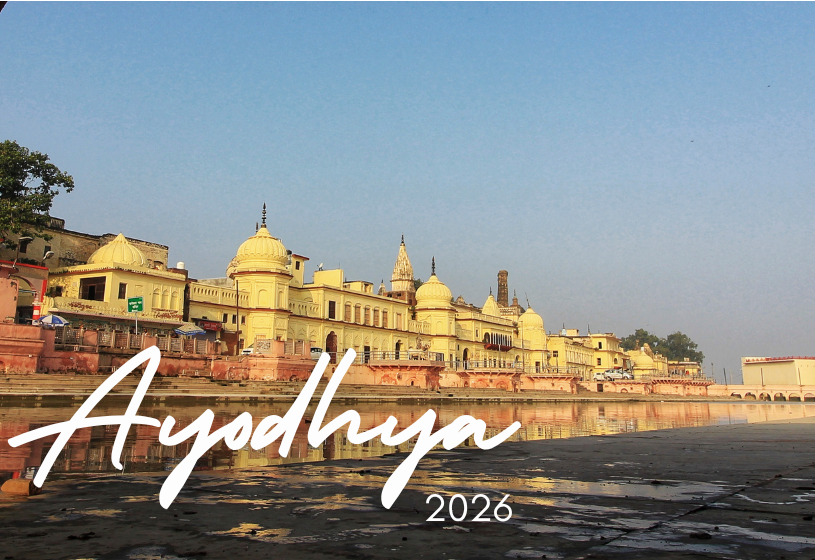 IRC5
IRC5
Thematic Sessions
Reimagining Riverine Landscapes: Heritage, Identity & Sustainable Tourism
Session I: Reimagining Riverine Landscapes: Heritage, Identity and Sustainable Tourism
Rivers have shaped civilisations, traditions, spiritual practices, art and local economies. This session examines how river conservation and cultural heritage can be integrated with responsible and sustainable tourism.
- Riverine cultural landscapes
- Heritage and historical settlements
- Ghats and sacred spaces
- Traditional knowledge
- River festivals and traditions
- Heritage conservation
- Sustainable tourism
- Pilgrimage tourism
- Riverfront development
- Cultural economy
River Rejuvenation & Sustainable River Basin Management
Session II: River Rejuvenation & Sustainable River Basin Management
This session explores the approaches, challenges, and emerging strategies for river rejuvenation and sustainable river basin management. It focuses on restoring river ecosystems, strengthening basin-level planning, and integrating scientific, technological, and community-driven interventions to ensure long-term river health and water security.
- River rejuvenation and ecological restoration
- Integrated river basin management approaches
- River hydrology and environmental flow restoration
- Catchment area treatment and watershed management
- Floodplain conservation and river corridor restoration
- Water quality assessment and pollution management
- Sediment dynamics and river morphology
- Climate change impacts on river basins
- Geospatial technologies and digital tools for river basin planning
- Community participation and sustainable river stewardship
Reconnecting Cities with Rivers: Towards Resilient & Sustainable Urban River Systems
Session III: Reconnecting Cities with Rivers: Towards Resilient and Sustainable Urban River Systems
Rapid urbanisation puts increasing pressure on rivers, yet rivers remain central to the identity, economy and resilience of cities. This session focuses on river-sensitive urban planning that integrates ecological protection, infrastructure, public spaces and community needs.
- Urban river landscapes
- River–city relationship
- Urban river restoration
- Riverfront planning and development
- Urban flooding and drainage
- Wastewater and pollution management
- Encroachment and river-space protection
- Blue-green infrastructure
- Climate-resilient urban planning
- Community participation in urban river governance
River as National Highways & Supply Chain Corridor
Session IV: River as National Highways & Supply Chain Corridor
Healthy rivers support complex ecosystems and habitats. This session explores ecosystem-based approaches to river conservation and restoration.
- Riverine ecosystems
- Aquatic and riparian biodiversity
- Wetlands and floodplain ecosystems
- Habitat restoration and conservation
- Fish diversity and river ecology
- Migratory species and ecological corridors
- Environmental flows
- Invasive species management
- Community-based biodiversity conservation
- Climate change and ecosystem resilience
Intelligent Rivers: Harnessing Technology for Monitoring, Management & Governance
Session V: Intelligent Rivers: Harnessing Technology for Monitoring, Management and Governance
Geospatial tools, AI, drones, digital twins and sensor networks give decision-makers real-time information. This session examines how technology can bridge the gap between information and implementation.
- GIS and remote sensing for river management
- River basin intelligence systems
- Digital river monitoring
- Artificial intelligence and predictive analytics
- Hydrological and flood modelling
- Water-quality monitoring technologies
- Drones and geospatial technologies
- Digital twins and river information systems
- Early warning and decision-support systems
- Technology-enabled participatory river governance
When the River Reclaims Its Space : Rethinking River Disasters, Risk & Resilience
Session VI: When the River Reclaims its Space : Rethinking River Disasters, Risk & Resilienc
Disaster management must move beyond response and relief towards risk reduction, preparedness and ecosystem-based approaches. This session examines how river governance can integrate disaster risk reduction and climate resilience.
- Flood risk and riverine disasters
- Floodplain management
- Riverbank erosion
- Early warning systems
- Disaster-resilient infrastructure
- Climate-induced river hazards
- Community-based disaster preparedness
- Emergency response and evacuation planning
- Risk mapping and vulnerability assessment
- Disaster-resilient river governance
Saryu :
The Lifeline of Ayodhya
Special Session: Saryu — The Lifeline of Ayodhya
The Saryu River is deeply connected with the cultural, spiritual, historical and social identity of Ayodhya. Beyond its cultural significance, the river represents an important riverine ecosystem supporting communities, biodiversity and the wider landscape of the region. This special session will bring together policymakers, government representatives, researchers, environmental experts, academics, practitioners and community stakeholders to examine the present condition of the Saryu and explore pathways for its long-term conservation, rejuvenation and sustainable management.
Key Discussion Areas
- Cultural and spiritual significance of the Saryu River
- Historical evolution and river–civilisation relationship
- Present ecological status and river health
- Water quality and pollution management
- River flow, hydrology and environmental sustainability
- Biodiversity and riverine ecosystems
- Floodplain and riverbank management
- Urban development and the Saryu
- Ghats, riverfronts and sustainable development
- Community participation and local stewardship
- Scientific and technological approaches for monitoring the river
- Climate change, flood risk and resilience
- River rejuvenation and restoration approaches
- Institutional coordination and integrated Saryu River governance
- Vision for a sustainable and resilient Saryu River
Integration of River with the
Indian Knowledge System
Special Session: Integration of River with the Indian Knowledge System
India's rivers have been deeply embedded in the country's civilisational, cultural, ecological and knowledge traditions. Over centuries, communities developed diverse systems of understanding rivers, seasonal water cycles, landscapes, biodiversity, agriculture and water management. This special session will explore how the Indian Knowledge System (IKS) can be documented, revitalised and integrated with contemporary scientific approaches to strengthen sustainable river governance, conservation and community stewardship.
Key Discussion Areas
- Rivers in Indian civilisational and knowledge traditions
- Traditional ecological knowledge and river stewardship
- Indigenous water conservation and management systems
- River-based livelihoods, agriculture and community practices
- Sacred rivers, cultural traditions and ecological ethics
- Traditional knowledge for understanding floods, seasons and river ecology
- Integrating Indian Knowledge Systems with modern science and technology
- Reviving traditional wisdom for contemporary river governance and sustainable river management
Activities
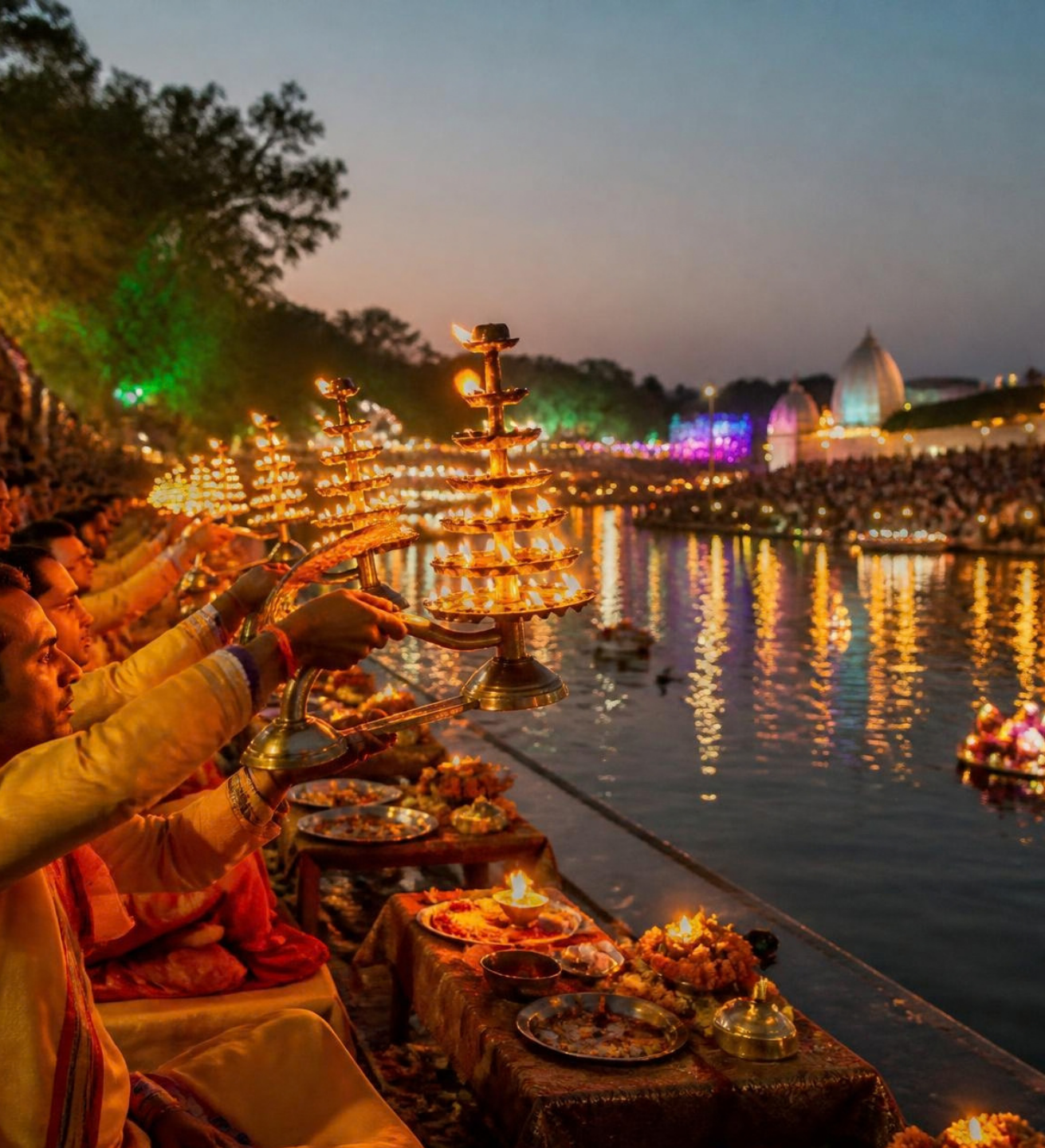
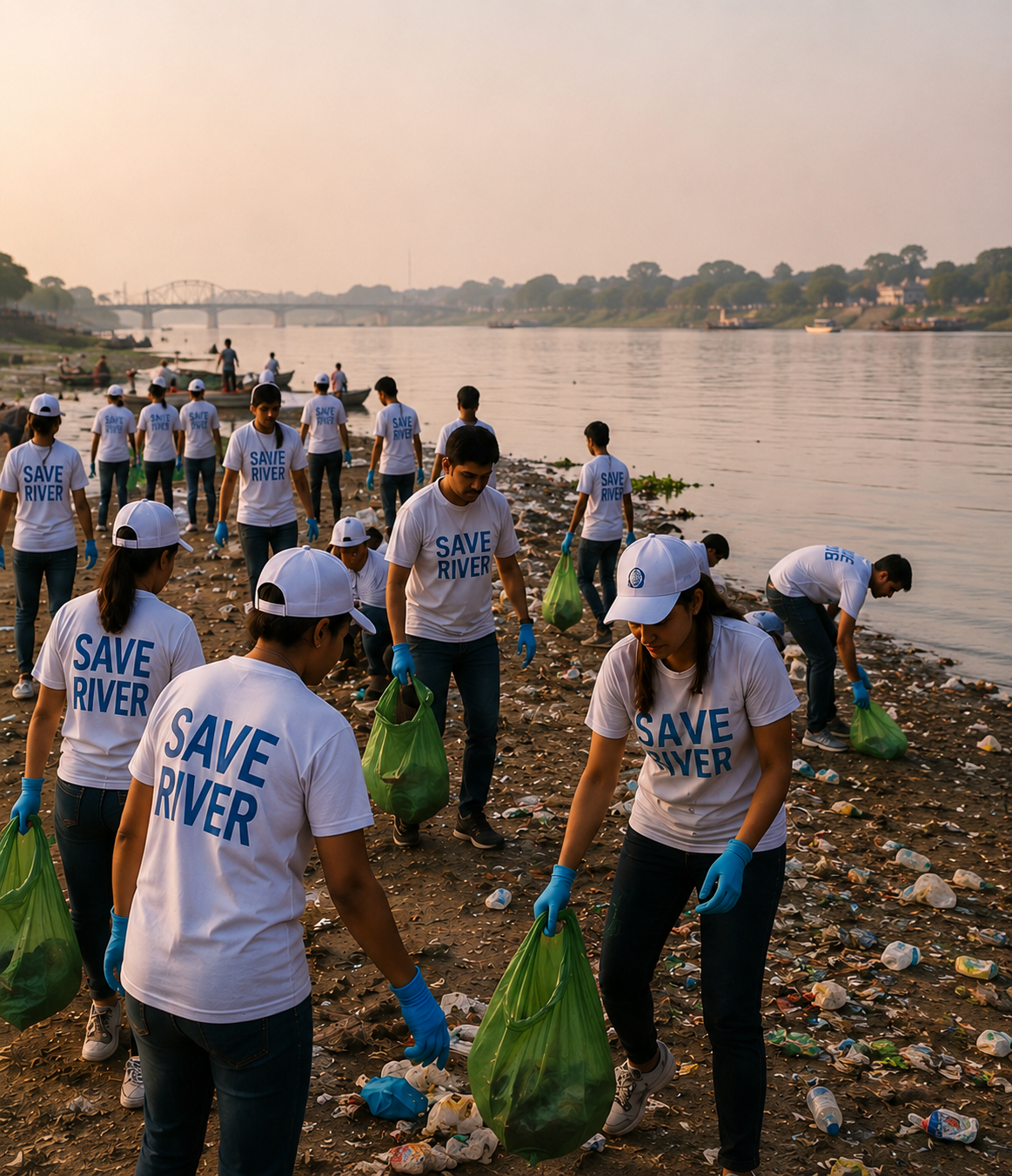
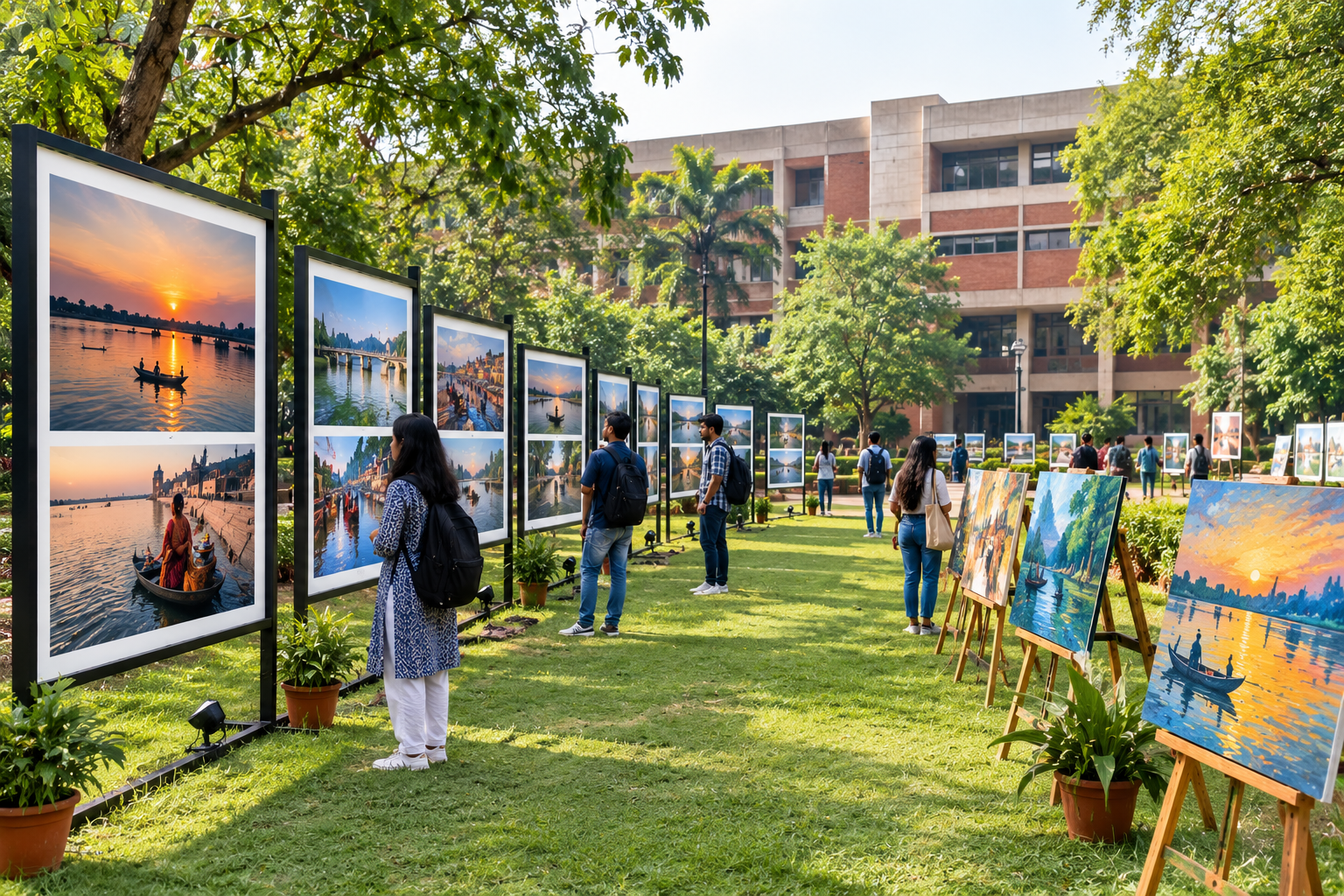
River Creativity & Innovation Exhibition

River Photography Competition
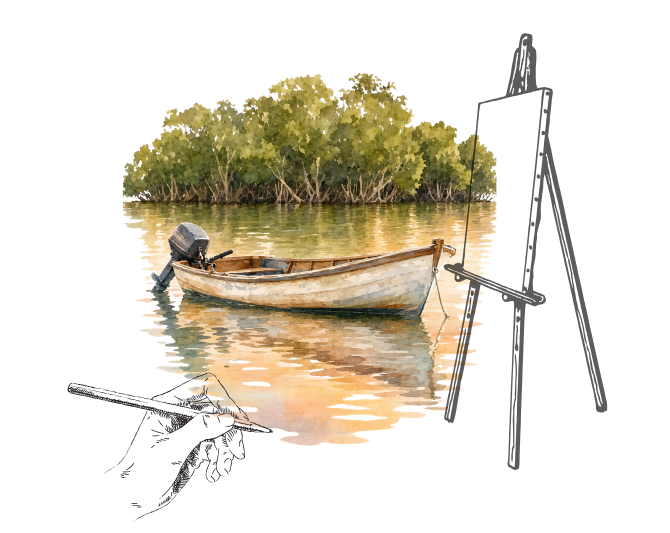
River Painting Competition
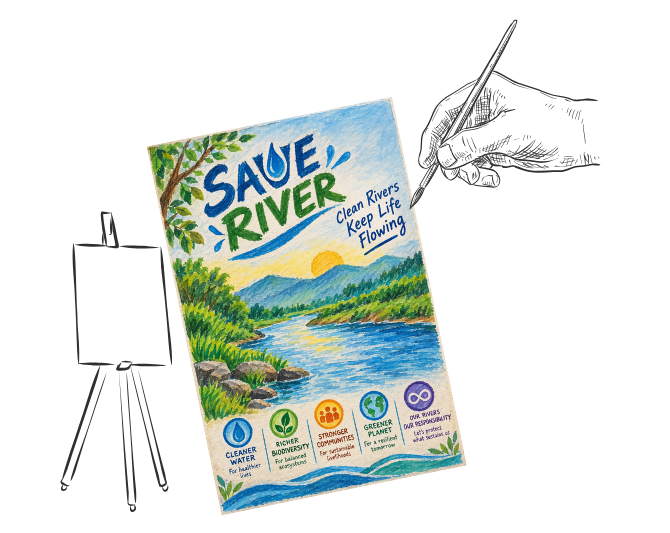
River Poster Competition

River Short Film / Documentary Competition
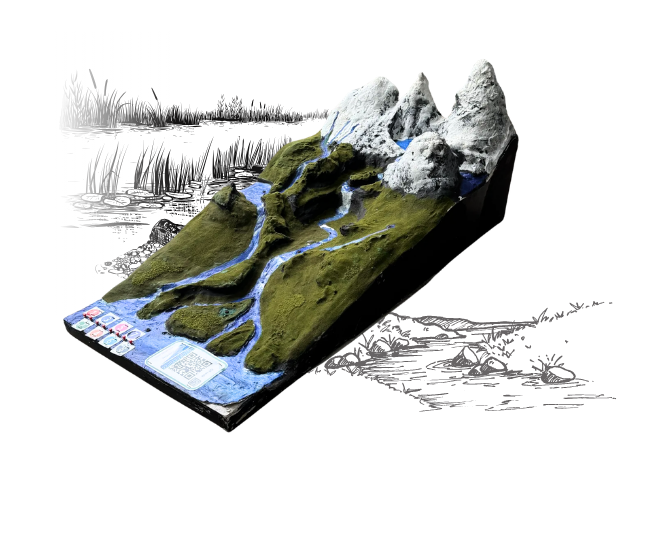
River Model Competition
Awards
- Institute of Eminence Award
- River Stewardship Award
- Best River Scientist Award
- River-Based Livelihood Development Award
- Best River Model Exhibitor Award
- Best River Photography Award
- Best River Poster Award
- Best River Painting Award
- Best River Short Film/Documentry Award
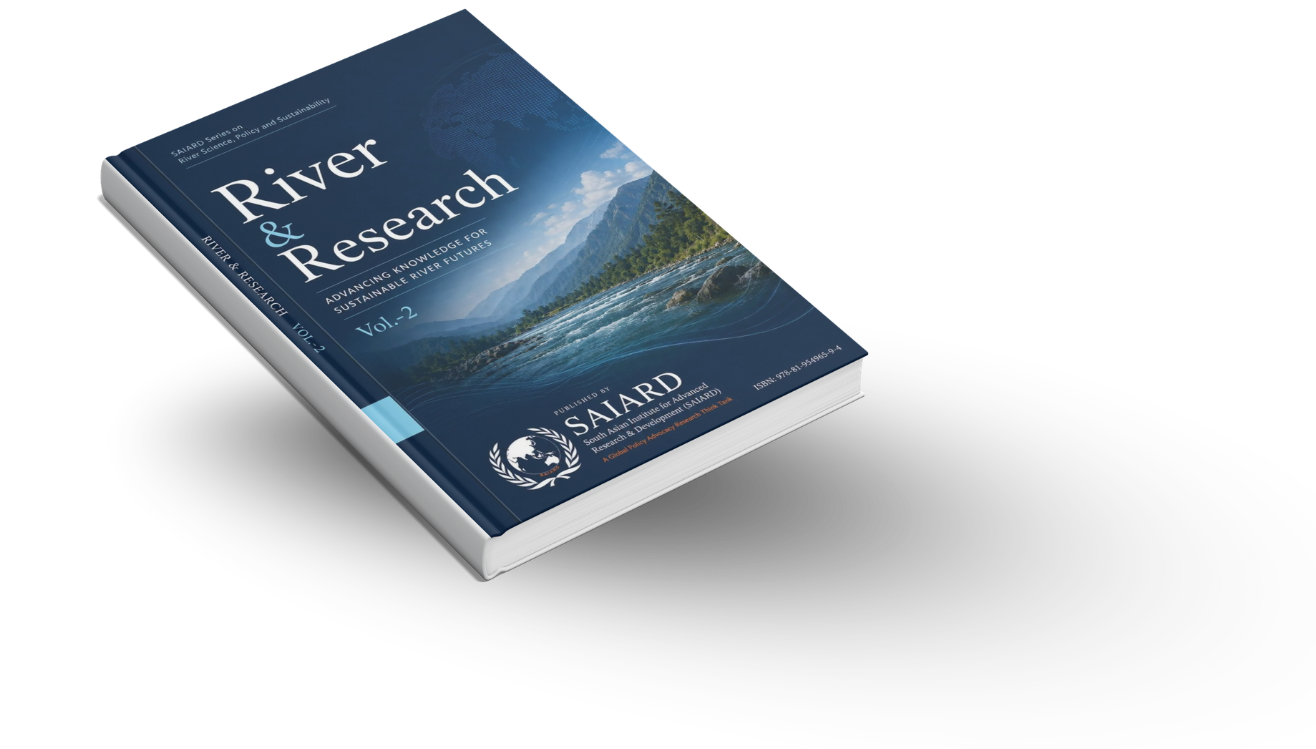
River & Research
Advancing knowledge for sustainable river futures — a peer-reviewed compilation of research, case studies and field insight from across the IRC network.
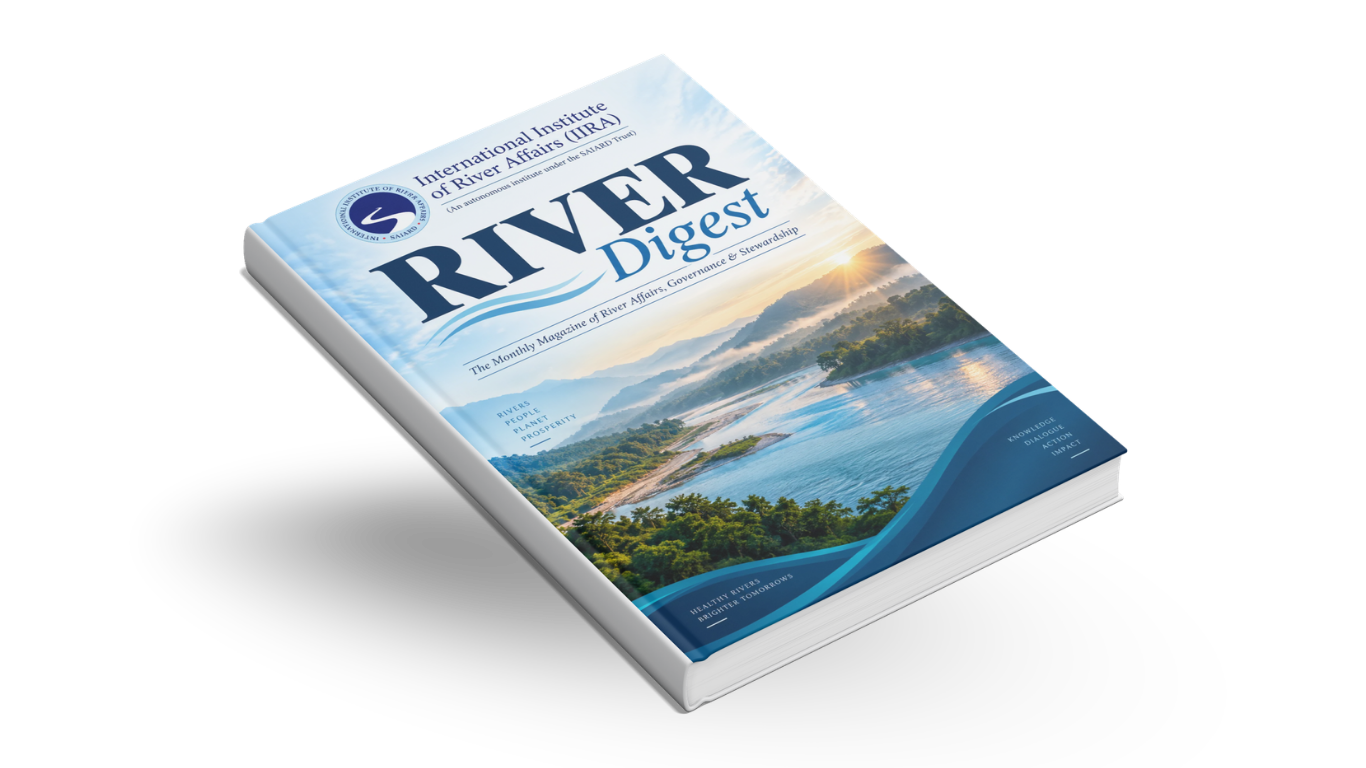
River Digest
River Digest is a monthly digital magazine of the International Institute of River Affairs (IIRA) dedicated to advancing knowledge, dialogue, and action on river-related issues. The publication serves as a platform for sharing insights on river governance, rejuvenation, water security, climate resilience, inland waterways, geospatial technologies, and community-led stewardship initiatives from India and beyond.
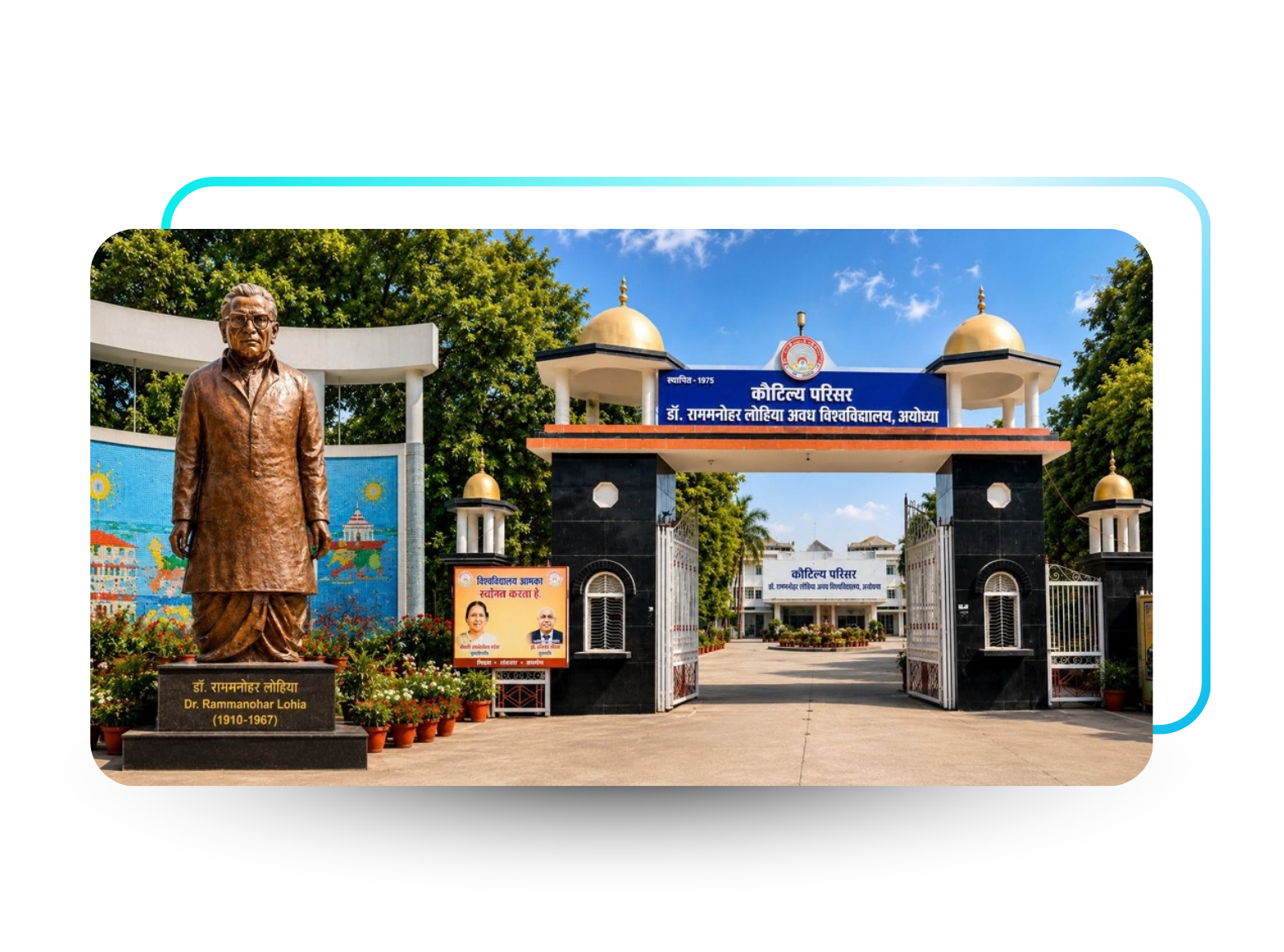
Partnership

Dr. Ram Manohar Lohia Avadh University, Ayodhya
Uttar Pradesh, India
Tentative Program Schedule
JOIN US TODAY
Register Here
📞 90490-43832/94517-85288/033-3571-5517