IIRA DIVISIONS
IIRA Divisions
International Institute of River Affairs deals with several divisions through its expertise level
Hydrology & Hydraulics Division
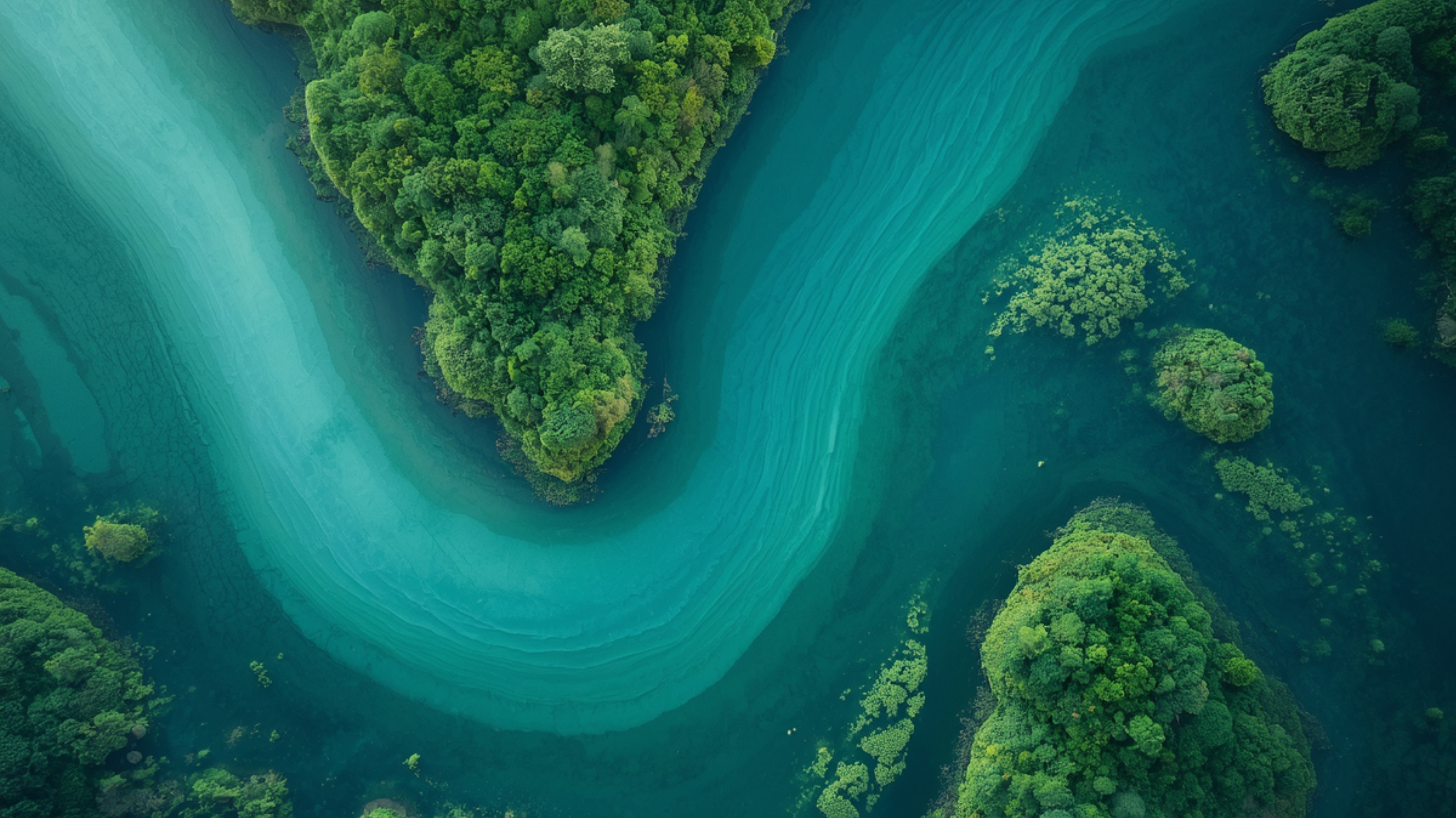
IIRA Hydrology & Hydraulics Division serves as a specialized research and technical division dedicated to advancing the scientific understanding of river hydrology, hydraulic processes, and water systems management. The division focuses on the study of river flow dynamics, watershed hydrology, sediment transport, flood forecasting, hydraulic modelling, environmental flows, river morphology, and the impacts of climate change on water resources. By integrating field observations, hydrological monitoring, geospatial technologies, remote sensing, and advanced numerical modelling, the division supports evidence-based decision-making for river basin planning, flood risk reduction, water security, and sustainable river management.
Ecology & Biodiversity Division
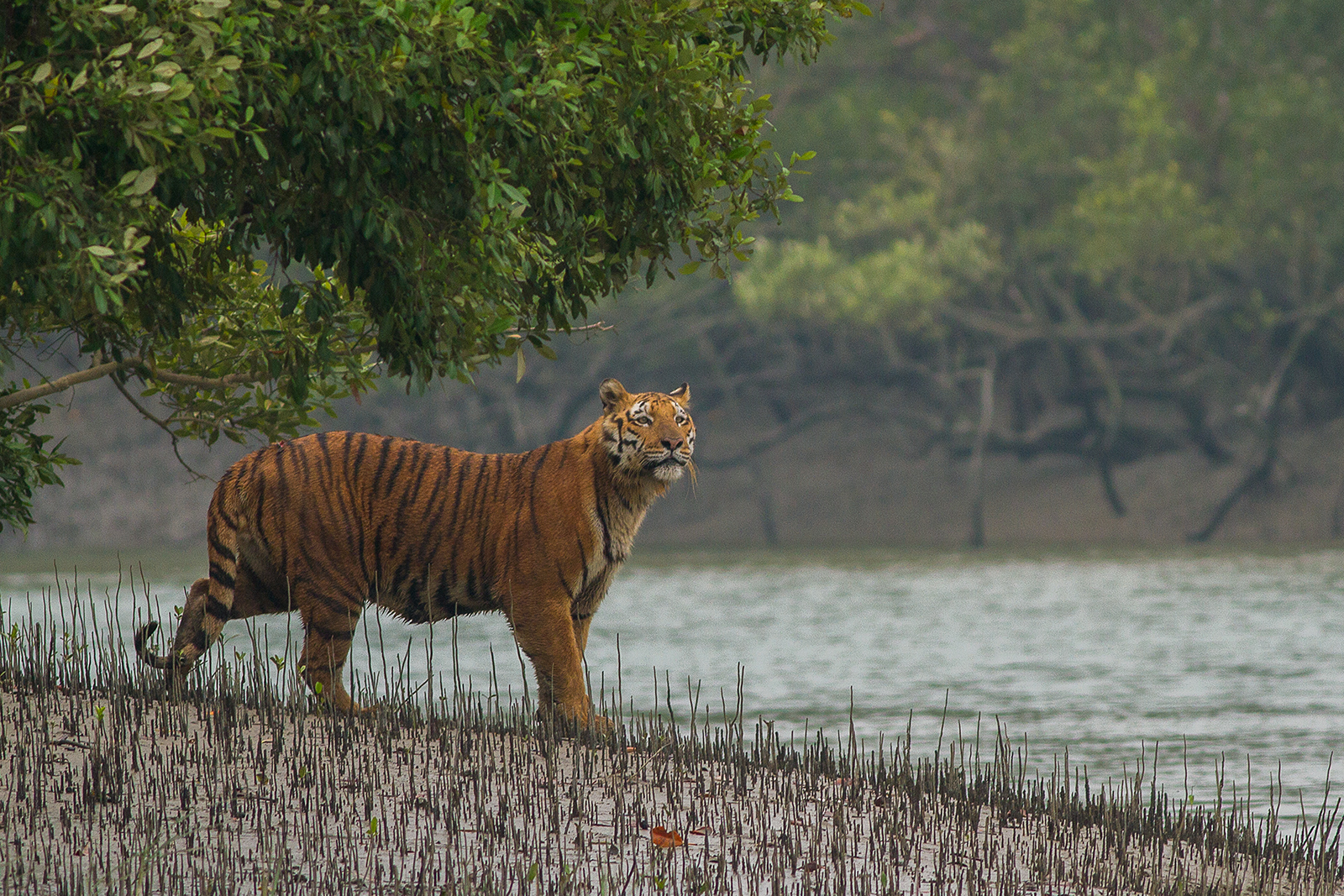
The River Ecology and Biodiversity Division of the IIRA is dedicated to the sustainable management and conservation of river ecosystems, focusing on the intricate relationships between water quality, aquatic life, and natural resources. This division conducts comprehensive research on river hydrology, water pollution, and biodiversity, aiming to develop strategies that restore and protect aquatic habitats. By employing advanced monitoring techniques and collaborating with local stakeholders, it seeks to mitigate the impacts of human activities on river systems and promote the resilience of freshwater ecosystems. Through its initiatives, the division strives to ensure the long-term health and sustainability of rivers, which are vital for biodiversity, water security, and the well-being of communities.
Infrastructure & Engineering Division
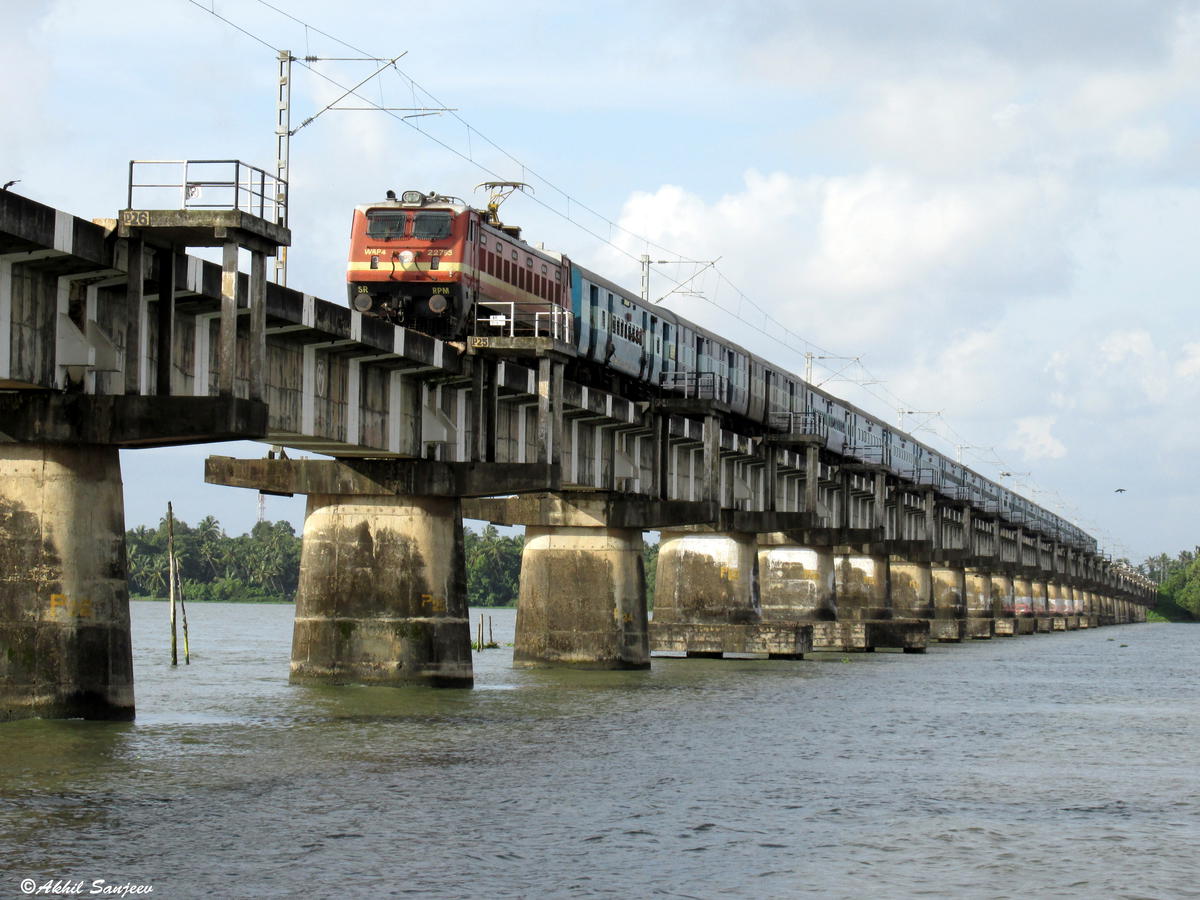
The River Water and Biodiversity Division of the IIRA is dedicated to the sustainable management and conservation of river ecosystems, focusing on the intricate relationships between water quality, aquatic life, and natural resources. This division conducts comprehensive research on river hydrology, water pollution, and biodiversity, aiming to develop strategies that restore and protect aquatic habitats. By employing advanced monitoring techniques and collaborating with local stakeholders, it seeks to mitigate the impacts of human activities on river systems and promote the resilience of freshwater ecosystems. Through its initiatives, the division strives to ensure the long-term health and sustainability of rivers, which are vital for biodiversity, water security, and the well-being of communities.
River Disaster and Management Division
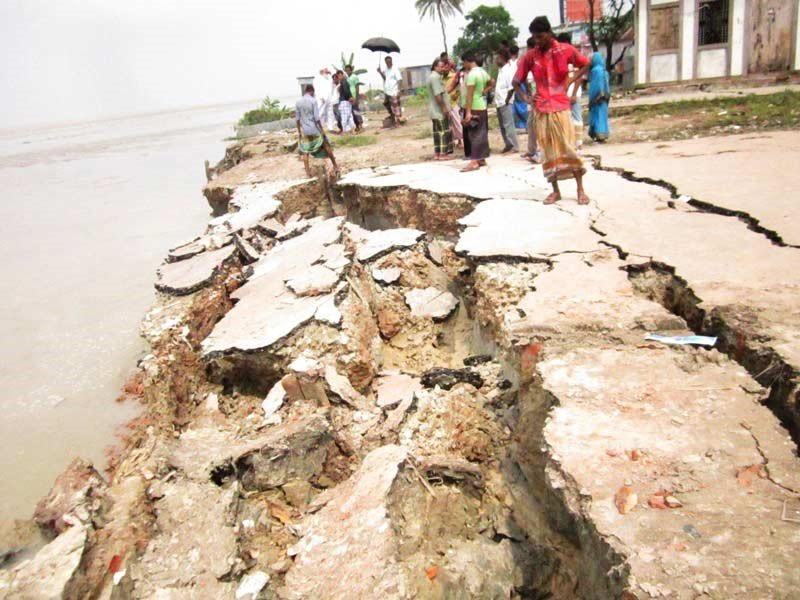
The River Disaster and Management Division of the IIRA is dedicated to assessing, mitigating, and managing the diverse risks associated with river systems, including floods, droughts, erosion, and pollution. This division employs advanced hydrological modeling, early warning systems, and integrated risk assessment tools to enhance disaster preparedness and resilience in vulnerable communities. By collaborating with local stakeholders, policymakers, and international organizations, it develops adaptive management strategies that address both immediate hazards and long-term climate impacts. The division also emphasizes the importance of nature-based solutions, such as wetland restoration and floodplain reconnection, to reduce hazard exposure while promoting ecological health.
River Transport & Supply Chain Division
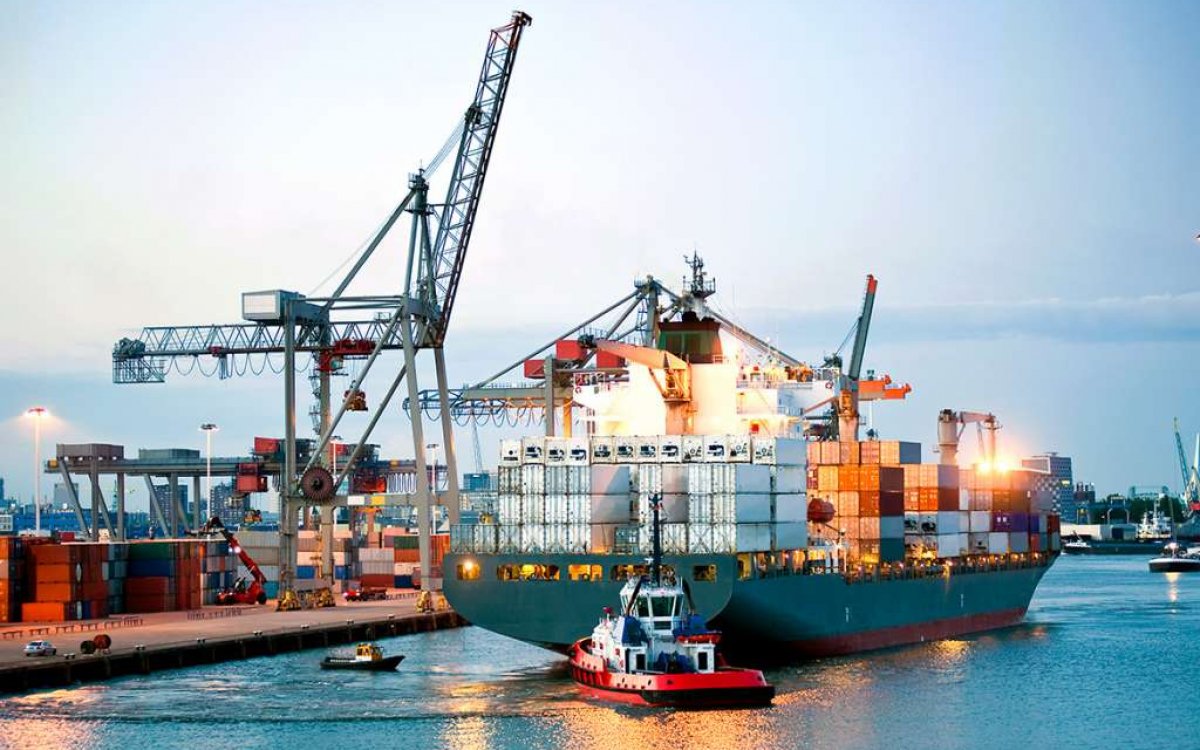
The River Transportation & Supply Chain Division of the IIRA focuses on enhancing the efficiency and sustainability of inland waterway transport systems and their integration into broader supply chains. This division conducts research on optimizing river navigation, intermodal connectivity, and logistics infrastructure to support economic development while minimizing environmental impacts. By analyzing case studies and collaborating with stakeholders, the division aims to develop strategies that improve the resilience of river-based transportation networks, particularly in the face of challenges such as climate change and fluctuating water levels. Through its efforts, the division seeks to promote the role of rivers as vital corridors for commerce and connectivity, contributing to sustainable regional and global supply chains
Riverine Landscape, NBS & Planning Division
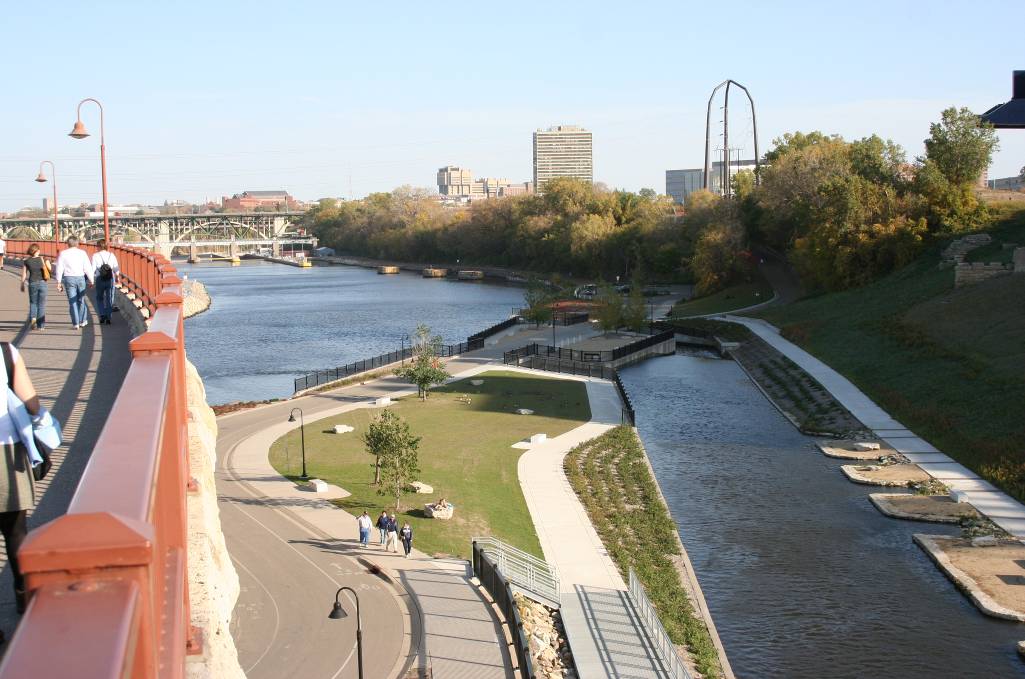
The Riverine Landscape & Planning Division (RLPD) of the IIRA is dedicated to advancing integrated river basin planning, river-sensitive urban development, landscape management, and sustainable river corridor governance. The Division promotes a holistic approach that recognizes rivers, floodplains, wetlands, biodiversity, settlements, and economic activities as interconnected systems. Through spatial planning, GIS and geospatial analysis, Nature-Based Solutions, river restoration strategies, climate-resilient infrastructure planning, policy research, and master plan preparation, the Division supports the development of healthy, resilient, and sustainable riverine landscapes that balance ecological integrity, cultural values, and socio-economic growth.
River Culture & Heritage Division
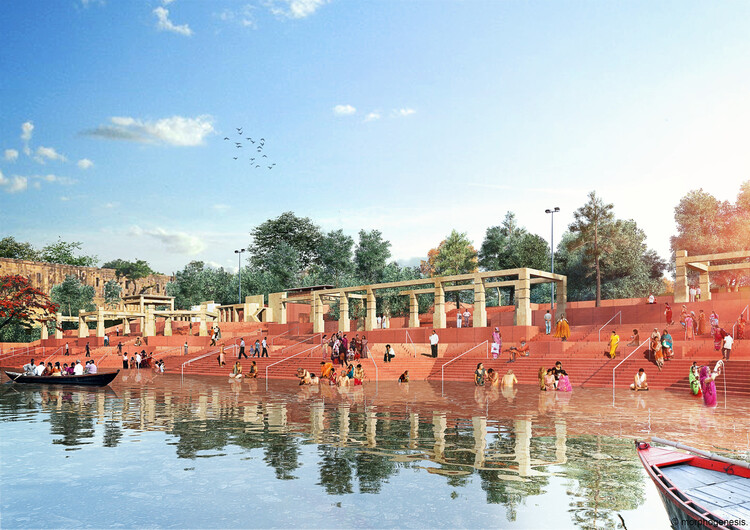
The River Culture & Heritage Division of the IIRA is dedicated to documenting, preserving, and promoting the rich cultural, historical, spiritual, and living heritage associated with rivers and riverine communities. The Division recognizes rivers as cradles of civilization, shaping traditions, livelihoods, folklore, art, architecture, festivals, indigenous knowledge, and collective identities across generations. Through research, heritage mapping, cultural documentation, policy advocacy, digital archiving, and community engagement, the Division seeks to strengthen the connection between people and rivers while advancing the conservation of both tangible and intangible river heritage for future generations.
River Informatics Division
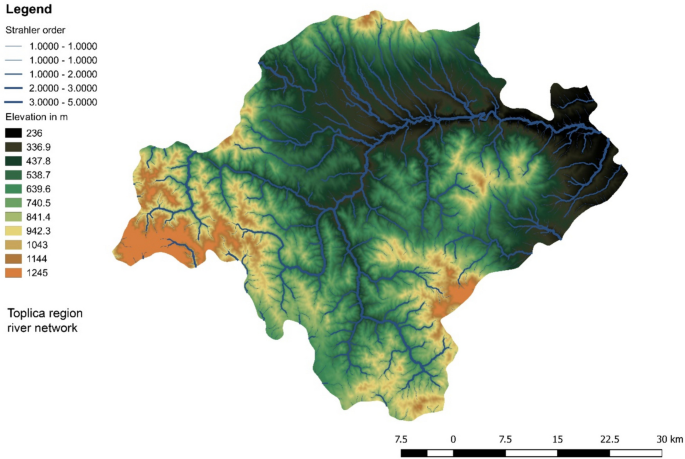
The River Informatics Division of the IIRA is dedicated to harnessing cutting-edge technologies and data-driven methodologies to enhance river system understanding and management. This division focuses on developing advanced tools such as real-time monitoring systems, predictive modeling, and geospatial analytics to support informed decision-making in river conservation and restoration efforts. By integrating big data, artificial intelligence, and machine learning, it aims to provide actionable insights into river dynamics, water quality, and ecosystem health. Collaborating with academic institutions, technology partners, and local communities, the division strives to foster innovation that promotes sustainable river basin management and resilience against climate change impacts.
River Governance & Policy Division
The River Governance & Policy Division of the IIRA is committed to advancing inclusive, transparent, and adaptive governance frameworks that ensure the equitable and sustainable management of river systems. This division works to harmonize legal, institutional, and policy mechanisms across local, national, and transboundary contexts, addressing the multifaceted challenges of river governance. By fostering participatory decision-making, promoting the rights of riverine communities, and integrating ecological considerations into policy development, it aims to balance human needs with environmental stewardship. Through research, capacity building, and collaboration with stakeholders, the division seeks to strengthen institutional capacities and promote policies that uphold the integrity and resilience of river ecosystems